How Professional Packers and Movers in Chennai Plan a Smooth, Stress-Free Move

A house move looks chaotic from the outside, but it is not always the case. In fact, a good team makes it feel effortless. Experienced professional movers turn a stressful day into a calm, well-ordered process. They plan every stage in advance, so nothing is left to chance or last-minute panic.

Let’s see how the experts in Chennai plan a move that runs smoothly from start to finish.

It All Begins With a Survey

Every smooth move starts long before the van arrives. A team first visits or calls to assess your belongings and needs. Trusted packers movers in Chennai use this survey to gauge volume, access, and any fragile items. So the plan is tailored to your home rather than guessed on the day.

Building a Clear Plan and Timeline

Once the survey is done, the team maps out the entire move step by step. A solid moving preparation checklist keeps every task on schedule and nothing forgotten. This early planning covers packing dates, transport, and delivery windows in order. So you always know exactly what happens and when.

Packing With Method, Not Chaos

Good packing is where professionals truly earn their reputation. They work room by room, using the right materials for each item type.

Item type Packing method
Fragile items Bubble wrap and sturdy cartons
Furniture Blankets and stretch film
Electronics Original boxes or padded crates
Everyday goods Labelled, room-wise boxes

So methodical packing protects your goods and speeds up unpacking later.

Following a Structured Moving-Day Routine

The order you move in matters on moving day. A clear moving day checklist guides the crew through each task clearly.

  • Confirm the inventory before loading
  • Load heavy items first for stability
  • Protect floors and doorways from damage
  • Do a final walkthrough of every room

A structured routine keeps the day calm & efficient throughout.

Handling Transport and Logistics Smartly

Getting your goods across Chennai safely takes real planning. The team chooses the right vehicle size and the best route in advance. Skilled professional moving packers secure every load so nothing shifts during the drive. So your belongings arrive intact, even through busy city traffic.

Unpacking and Settling You In

A good move does not end when the van is emptied. The crew unloads carefully, placing boxes in their correct rooms. Reliable Packers and Movers in Kilpauk even reassemble furniture as part of their service. So you settle into your new home far sooner than expected.

Why a Checklist Keeps Everything on Track

A thorough home moving checklist ensures no step slips through the cracks.

  • Notify utilities and update your address
  • Set aside an essentials box for day one
  • Keep documents and valuables with you
  • Confirm timings with your movers

Move the Stress-Free Way

A smooth move is never luck, but the result of expert planning and care. Choose a team that surveys first, plans clearly, and packs with a real method. Follow a checklist, communicate openly, and let the professionals handle the heavy work. So partner with trusted Packers and Movers in Chrompet like FirstPick, and enjoy a genuinely stress-free move.

Frequently Asked Questions

1. How early should I book professional movers in Chennai?

Aim for two to three weeks ahead, especially during peak season. Early booking secures your preferred date and gives ample time to plan.

2. Do movers provide packing materials, or should I buy my own?

Most professional teams supply all materials as part of the service. This saves you from sourcing boxes, wrap, and tape yourself.

3. Can I move on weekends/public holidays?

Yes, many firms operate seven days a week for your convenience. Do confirm early, since these slots fill quickly.

4. What should I do with valuables and important papers?

Carry these with you personally rather than loading them onto the van. Keeping them close avoids any risk of loss during the move.

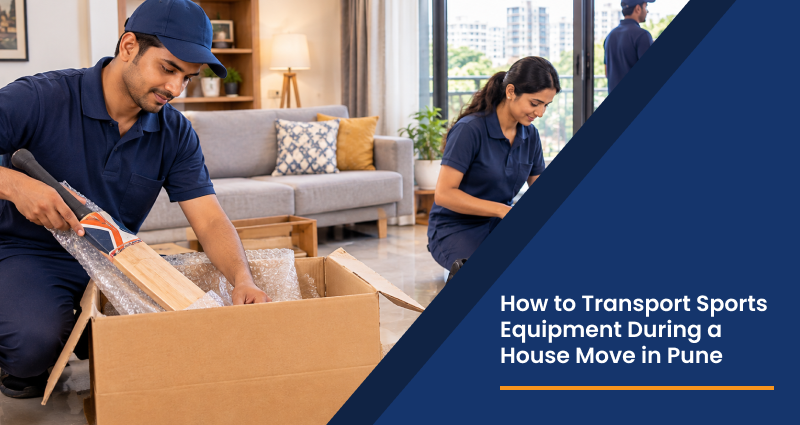
How to Transport Sports Equipment During a House Move in Pune

It is a fact that moving house is a stressful event. Now add to that bulky sports equipment; a whole new challenge. Treadmills, weights, cycles, and rackets all need careful handling to survive the journey intact. Without the right approach, you risk damage to your gear, your walls, and even yourself.

Here is a guide to moving your sports kit safely across Pune.

Why Sports Equipment Needs Special Care

Fitness gear is often heavy or delicate. As a result, it can be tricky to pack. Some items have loose parts, while others carry electronics or fragile frames. This is why experienced Packers and Movers in Pune treat sports kits differently from ordinary boxes. Handling this equipment casually often leads to dents, scratches, or breakage.

Tips for Transporting Sports Equipment During a House Move

1. Sort Your Equipment by Type First

Before packing anything, group your gear so you can plan the right method for each.

Category Examples Handling need
Heavy machines Treadmill, home gym Dismantle and strap
Free weights Dumbbells, plates Small, padded boxes
Delicate gear Rackets, bows, bats Hard cases
Bulky items Cycles, benches Wrap and secure

Sorting first saves time and prevents last-minute confusion on moving day.

2. Packing Heavy Gym Machines Safely

Large machines cause the most trouble, so you should give them extra attention. When moving gym equipment, follow these steps in order:

  1. Read the manual and dismantle where possible
  2. Bag and label every bolt and small part
  3. Wrap frames in blankets or bubble wrap
  4. Secure loose cables and moving parts firmly

A methodical approach keeps expensive machines working perfectly after the move.

3. Protecting Smaller and Delicate Items

Not everything is heavy. But those small items also need thought. Delicate pieces deserve proper protection, not a loose spot in a box.

  • Store rackets and bats in hard cases
  • Pad each item with foam or cloth
  • Keep sharp gear separate from soft kit
  • Label fragile boxes clearly on every side

So even your most prized equipment reaches your new home undamaged.

4. Choosing the Right Help for the Job

Some gear is simply too heavy or valuable to move alone. Searching for house movers near me brings up teams who handle bulky fitness equipment daily. Well-reviewed Packers and Movers in Borivali bring the tools, straps, and trolleys such jobs demand. So professional help often saves both your back and your budget in the long run.

5. Loading and Transport Tips

How you load the van matters as much as how you pack.

You should place the heaviest machines flat against the base for stability. Then secure them with straps so nothing shifts during the drive. Now, keep delicate items cushioned on top, well away from any pressure.

At last, careful loading protects everything from the first turn to the final stop.

6. Settling Your Gear Into the New Home

Once you arrive, unpack your equipment thoughtfully. Check each machine for damage before fully reassembling it.

Many movers reassemble gear as part of their service, so you should confirm this option early. That way, you skip the heavy lifting and get straight to using your kit.

Move Your Sports Kit the Smart Way

Transporting fitness gear doesn’t have to be daunting when you plan each step carefully.

Partner with dependable Packers and Movers in Misalwadi like FirstPick, and move your sports equipment with total confidence.

Frequently Asked Questions

1. How far in advance should I prepare my sports equipment for a move?

Start a week ahead if you can. This is because dismantling machines takes time. Early preparation also lets you source hard cases and padding without rushing.

2. Can I move a treadmill without dismantling it?

It is possible for short distances, though risky and very heavy. Dismantling where the manual allows keeps both the machine and your movers safe.

3. Is my sports equipment covered by moving insurance?

Most reputable firms offer transit cover, but always confirm the limits first. Declare high-value items separately so they are properly protected.

4. How do I move protein tubs and liquid supplements safely?

Seal each lid tightly and pack them upright in a separate box. Keeping them away from your gear prevents messy spills on valuable kit.

How to Document Your Belongings Before Handing Them to Packers and Movers

Before you start packing, you should keep a record of everything you own to protect yourself if items break, get lost, or go missing. A simple moving inventory checklist tracks every box and item so nothing slips through the cracks during the move. Plus, if something does get damaged along the way, you’ll have instant proof ready to go. Spending just an hour documenting your things now will save you stress.

Why Documentation Matters

Good record-keeping helps you avoid chaos and keeps everything organised and traceable. It also helps protect your valuables and settle any claim quickly. That is exactly why a reliable moving service in Bangalore insists on proper paperwork before starting.

Your Step-by-Step Documentation Checklist

1. Make a room-by-room list

You should start by walking through each room and noting its contents. A detailed inventory list for moving should capture:

  • Furniture and large appliances
  • Electronics and gadgets
  • Boxes grouped by room
  • Fragile or high-value items

2. Photograph and video everything

Written notes alone rarely capture the full picture, so add visuals too.

What to capture Why it helps
Wide room shots Show overall condition
Close-ups of valuables Prove existing state
Serial numbers Identify electronics later
Short walkthrough video Records everything at once

3. Note the condition of each item

You should write the current state of your objects beside every entry. Mark scratches, dents, or wear, since this record settles disputes fairly. So both you and the movers know exactly what changed, if anything.

4. Prepare proper documentation for insurance

Your records become essential evidence if you have cover.

Strong documentation for insurance may include receipts, photos, and estimated values for valuable goods. You should keep these together in one folder, ready to submit if a claim arises.

5. Follow a full house shifting checklist

Beyond your items, a wider house shifting checklist keeps the whole move on track:

  • Confirm the moving date and time
  • Label every box clearly
  • Set aside essentials you will need first
  • Keep important papers with you, not in the van

Handing Over Your Records to the Movers

Once packing is done, you should share your records to keep everyone accountable. The handover document should list every packed item and be signed by both you and the crew. This ensures both sides agree on what was collected, preventing confusion at delivery. This is why movers and packers Chennai families trust a signed inventory so much. Keep one copy yourself and give another to the team leader.

Updating Records After the Move

Your job is not finished once the van pulls away. Updating documentation on arrival confirms that everything reached your new home safely. Here’s what you must do:

  • Tick off each item as it is unloaded
  • Check valuables against your photos
  • Note any damage immediately
  • Report issues to the company at once

Why This Habit Pays Off Anywhere

Careful records work in your favour wherever you relocate across the country. Dependable movers and packers Hyderabad residents rely on expect an accurate inventory before they begin. So the effort you put in now smooths every stage of the move, from packing to final delivery.

Frequently Asked Questions

1. How long should I keep my moving records after relocating?

Hold on to them for at least a few months after your move settles. Any hidden damage or delayed claim can then be backed by clear evidence.

2. Should I document items I pack myself separately from those the movers pack?

Yes, keeping the two lists separate is wise. It clarifies who handled each item, making any later claim much easier to resolve.

3. Can digital documentation replace a printed inventory?

Digital records work perfectly well and are easy to share and back up. Even so, keep one printed copy for signatures on moving day.

How Packers and Movers in Marathahalli Handle Last-Minute Changes on Moving Day

Moving day may not always go as per plan. Honestly, last-minute surprises are very much more common. For example, a slot might shift, a lift could fail, or extra boxes could appear out of nowhere.

This is where experienced packers and movers prove their worth, staying calm while you stay stress-free. Here’s exactly how professionals handle the chaos when plans change.

Most Common Moving-Day Surprises

Before the fixes, it helps to know what usually goes wrong.

Surprise Why it happens
Sudden schedule change Landlord, work, or family timing shifts
Extra forgotten items Things surface once packing begins
Blocked access or parking Narrow lanes and restricted entry
Fragile or heavy finds Bulky wardrobes and delicate mirrors
Urgent same-day moves Early lease endings or fast relocations

So a prepared movers and packers Bangalore team plans for every one of these in advance.

How Packers and Movers Handles Last-Minute Changes

Each situation calls for a different response. And here’s how the team handles each.

1. Rescheduling without the chaos

Buffer time and backup crews help you keep things on track when your slot moves at short notice. So even a sudden last minute move does not derail the day.

2. Packing extra items on the spot

Our crew always carries spare supplies. Hence, you can stay relaxed because nothing gets left behind:

  • Extra boxes and cartons
  • Bubble wrap and tape
  • Protective covers for furniture

3. Solving access and parking problems

Narrow lanes and blocked driveways stop amateurs, not professionals. Trusted Packers and Movers in Marathahalli scout the route early, then adapt using:

  • Smaller vehicles for tight streets
  • Trolleys for longer carrying distances
  • Alternative parking arranged in advance

4. Providing genuine emergency support

You may not have predicted it, but some moves happen almost overnight, which is why emergency moving services exist. Even if a lease ends early or a job relocates you fast, our crew can mobilise quickly. Rest assured, they always protect your belongings.

5. Handling fragile and heavy surprises

Our team understands that a bulky wardrobe or delicate mirror needs special care. Therefore, they add padding, use proper lifting tools, and secure everything firmly for transit.

Why Preparation Makes the Difference

The best mover & packers team plans ahead because they know good preparation turns chaos into a calm, controlled process.

  • Clear communication: they confirm details early and update you all day.
  • Ready materials: spare supplies mean no scramble when plans change.
  • Trained crews: skilled staff solve problems instead of freezing.
  • Backup vehicles: extra transport stops delays from derailing your schedule.

So handling last minute moving with a ready team makes even sudden changes feel manageable.

Choosing a Team You Can Rely On

Picking the right company matters most, especially when pressure is high and time is short. The best packers and movers blend experience, flexibility, and honest pricing.

Additionally, trusted movers and packers Bangalore residents recommend share these qualities, as do well-reviewed Packers and Movers in Kundalahalli. So, you should always look for reviews, clear quotes, and a team that adapts.

Move With Confidence, Whatever the Day Brings

Last-minute changes need not ruin your move when the right professionals are by your side.

  • Book early where you can
  • Communicate clearly
  • Trust experienced hands

Partner with FirstPick Packers and Movers and step into your new place with complete peace of mind.

Frequently Asked Questions

1. How much notice do packers and movers need for a move?

Ideally, a few days, though many of the best packers and movers accept same-day bookings when crews are free.

2. Do last-minute moves cost more than planned ones?

They sometimes carry a small premium, since urgent crews and vehicles are arranged quickly.

3. Is insurance available for last-minute moves?

Most reputable firms offer transit insurance regardless of how quickly you book.

Senior Citizen Relocation: Compassionate Moving for Elderly Parents

Relocating an elderly parent is very different from moving an ordinary household. For younger family members, moving to a new home may simply mean packing belongings, transporting furniture and arranging the new property. For senior citizens, however, a move can involve emotional attachment to a familiar home, concerns about changing routines and difficulty adjusting to an unfamiliar environment.

Many elderly parents have lived in the same home for years or even decades. Their furniture, photographs, personal belongings and everyday routines may carry significant emotional value. A sudden change can therefore feel overwhelming, even when the relocation is being made for their comfort, safety or convenience.

With thoughtful preparation and the right support, families can make the transition considerably smoother.

This guide explains how to plan a compassionate senior citizen relocation, from discussing the move and organising belongings to choosing professional Relocation Services and helping elderly parents settle comfortably into their new home.

Why Does Senior Citizen Relocation Require Extra Care?

A senior citizen may have different priorities when moving compared with a younger adult.

An elderly parent may be particularly concerned about:

  • Leaving a familiar neighbourhood
  • Being separated from friends or neighbours
  • Adjusting to a new daily routine
  • Moving away from familiar shops and services
  • Managing stairs or unfamiliar layouts
  • Finding important personal belongings
  • Losing sentimental possessions
  • Feeling that the decision is being made without their involvement

The emotional aspect of relocation should therefore be given as much attention as the physical moving process.

Families should involve elderly parents in important decisions wherever possible. Allowing them to choose which personal belongings they want to keep, where certain furniture should go and how their new room should be arranged can give them a greater sense of control.

How Should You Prepare Elderly Parents for a Move?

The preparation should begin well before moving day.

Instead of presenting the move as something that must happen immediately, explain why the relocation is necessary and what benefits it can provide.

For example, the new home may offer:

  • Easier access to essential facilities
  • Fewer stairs
  • Better accessibility
  • Closer proximity to family
  • Improved security
  • Easier maintenance
  • More convenient access to healthcare and daily services

Give elderly parents sufficient time to process the change. If possible, show them photographs or videos of the new property before the move.

If the new home is nearby, taking them to see it in advance can also help reduce uncertainty.

Most importantly, listen to their concerns rather than dismissing them. A move that looks straightforward to the rest of the family may feel like a major life change to an elderly parent.

What Should You Include in a Senior Citizen Moving Checklist?

A detailed checklist can help families avoid last-minute confusion.

Before the Move

  • Discuss the relocation with elderly parents.
  • Visit or review the new property.
  • Identify essential belongings.
  • Sort items that can be donated or stored.
  • Create an inventory of important possessions.
  • Organise important documents separately.
  • Confirm the moving date.
  • Arrange professional moving assistance.
  • Prepare essential items for the first few days.

On Moving Day

  • Keep elderly parents away from active loading areas.
  • Keep essential belongings easily accessible.
  • Protect important documents and valuables.
  • Confirm that all labelled boxes are loaded.
  • Keep communication clear between family members and movers.

After Arrival

  • Set up the bedroom first.
  • Arrange essential daily-use items.
  • Recreate familiar routines.
  • Check lighting and accessibility.
  • Ensure important documents and personal items are easy to find.
  • Give elderly parents time to settle.

A simple checklist can make the moving process more organised while reducing stress for everyone involved.

How Can You Declutter Without Making Elderly Parents Uncomfortable?

Decluttering is often one of the most difficult parts of senior relocation.

Older adults may have accumulated belongings over many years. An item that appears unnecessary to another family member may hold considerable sentimental value for them.

Avoid throwing away belongings without discussing them first.

Instead, divide items into categories such as:

  • Essential
  • Sentimental
  • Useful but rarely used
  • To be donated
  • To be stored
  • To be discarded

Allow elderly parents to make the final decision about sentimental possessions whenever practical.

Photographs, letters, awards, religious or cultural items, favourite books and familiar furniture may help make the new home feel more comfortable.

If there is not enough space in the new property for everything, temporary storage can also be considered instead of making an immediate decision to dispose of meaningful belongings.

How Should You Pack Belongings of Elderly Parents?

Packing should be organised around accessibility and familiarity.

Avoid putting all belongings into random boxes. Label boxes clearly according to the room and contents.

For example:

  • Bedroom – Daily Clothes
  • Bedroom – Personal Items
  • Kitchen – Daily Use
  • Living Room – Books
  • Important Documents
  • Medicines and Essentials

Keep frequently used items in clearly marked boxes that can be opened immediately after arrival.

Create a separate essentials bag or box containing items that may be needed during the journey and first day at the new property.

This may include:

  • Comfortable clothing
  • Toiletries
  • Personal care items
  • Important documents
  • Mobile phone and charger
  • Basic household essentials
  • Familiar personal belongings

The goal is to ensure that elderly parents do not have to search through dozens of boxes to find something they need.

How Can You Make Moving Day Safer for Senior Citizens?

Moving day can become busy and unpredictable. There may be moving boxes, furniture, workers and vehicles moving around the property.

For safety, elderly parents should ideally stay away from active loading and unloading areas.

If possible, arrange for them to spend the busiest part of the moving process with a family member or trusted person in a quiet and comfortable location.

Before they enter the new property, check that:

  • Walkways are clear.
  • Boxes are not blocking entrances.
  • Floors are dry.
  • Lighting is adequate.
  • Frequently used furniture is positioned safely.
  • Important personal belongings are accessible.

The first priority should be making the new environment comfortable and easy to navigate.

What Should You Consider When Choosing a New Home?

If the relocation is specifically for an elderly parent, accessibility should be one of the main considerations.

Look for features such as:

1. Easy Access

A ground-floor home or a building with reliable lift access may be more convenient than a property with multiple flights of stairs.

2. Safe Bathrooms

Bathrooms should ideally have sufficient space and appropriate safety features.

3. Good Lighting

Well-lit corridors, entrances and rooms can make navigation easier.

4. Convenient Bedroom Location

The bedroom should be easy to access and not unnecessarily far from frequently used areas.

5. Nearby Facilities

Consider the distance to essential services, shops, family members and other places your parent regularly visits.

6. Familiarity

If possible, moving within the same neighbourhood can make the transition easier because elderly parents may still be able to maintain familiar routines.

How Can You Help Elderly Parents Settle into Their New Home?

Moving does not end when the last box is unloaded. The settling-in period is equally important.

Try to recreate familiar surroundings.

For example, arrange their favourite chair, books, photographs and personal belongings in familiar positions. If they have a preferred morning routine, try to maintain it after the move.

Avoid completely changing the interior arrangement immediately.

Familiar objects can provide comfort during the adjustment period.

Encourage elderly parents to gradually explore their new surroundings. Introduce them to nearby shops, neighbours and community spaces where appropriate.

Regular family visits during the first few weeks can also help reduce feelings of isolation.

Can Professional Relocation Services Make Senior Moves Easier?

Professional Relocation Services can reduce much of the physical workload associated with moving an elderly parent’s household.

Experienced movers can assist with:

  • Packing
  • Labelling
  • Furniture dismantling
  • Loading
  • Transportation
  • Unloading
  • Furniture reassembly
  • Placement of belongings

This allows family members to focus more on supporting their elderly parents emotionally rather than spending the entire day carrying boxes and managing logistics.

When selecting relocation movers and packers, ask about their experience with fragile, valuable or bulky household belongings. Clear communication is particularly important when moving a senior citizen’s possessions because many items may have considerable personal or sentimental value.

Families can also look for local moving services based on their location. For example, people searching for packers and movers Electronic City, packers and movers Chembur or packers and movers in Hebbal should compare service inclusions, handling processes and customer reviews before selecting a provider.

How Can Families Make Relocation Less Stressful for Elderly Parents?

A compassionate approach can make a significant difference.

1. Involve Them in Decisions

Allow elderly parents to participate in decisions about their room, furniture and personal belongings.

2. Maintain Familiar Routines

Try to keep meal times, sleeping arrangements and other familiar routines consistent.

3. Avoid Rushing

Give them time to adjust instead of expecting everything to feel normal immediately.

4. Keep Familiar Items Close

Favourite furniture, photographs and personal belongings can make a new home feel less unfamiliar.

5. Communicate Clearly

Explain what is happening throughout the moving process so they do not feel confused or excluded.

6. Focus on the Benefits

Remind them of the positive reasons for the move, such as being closer to family or having a more convenient and accessible home.

7. Give Them Their Own Space

Even when family members are closely involved, elderly parents should have a comfortable area where they can relax and maintain a sense of independence.

Conclusion

Relocating elderly parents requires more than transporting household belongings from one address to another. It is a significant transition that can involve emotional attachment, changes in routine and concerns about adapting to a new environment.

The process becomes easier when families plan ahead, involve elderly parents in important decisions, organise belongings carefully and prioritise accessibility and familiarity in the new home.

Professional Relocation Services can also reduce the physical burden on families by handling packing, loading, transportation and unloading. This gives family members more time to focus on what matters most: helping their elderly parents feel safe, comfortable and supported.

FirstPick Packers and Movers can help coordinate household relocation requirements with careful packing, transportation and handling support. Whether you are moving a senior citizen locally or arranging a longer-distance relocation, thoughtful planning and professional assistance can make the transition smoother.

Planning a relocation for your elderly parents? Contact FirstPick Packers and Movers to discuss your requirements and arrange moving support designed to make the process more comfortable and stress-free. Learn More!


How AI and Route Optimization Are Making Moving Faster in 2026

Moving to a new home involves much more than packing boxes and loading a vehicle. From planning the pickup to selecting the right transportation route and coordinating delivery, several moving parts need to work together for a successful relocation.

In 2026, technology is playing an increasingly important role in making this process more efficient. Artificial intelligence (AI), real-time data and Route Optimisation tools are helping transportation and logistics businesses make better decisions about routes, vehicles, schedules and deliveries.

For customers, these developments can translate into better planning, fewer unnecessary delays and a more organised moving experience.

Whether you are relocating across Bangalore or planning a long-distance move to another city, understanding how technology is changing the moving industry can help you appreciate what goes into making modern relocation services faster and more efficient.

How Is AI Changing the Moving and Transportation Industry?

Artificial intelligence can analyse large amounts of information and identify patterns that may be difficult to process manually.

In transportation, AI can be used to analyse factors such as:

  • Traffic conditions
  • Distance
  • Delivery locations
  • Vehicle availability
  • Estimated travel times
  • Weather conditions
  • Historical transportation data
  • Customer delivery schedules
  • Route restrictions

This information can help transportation companies make more informed decisions when planning journeys.

The growing use of AI in Transportation is particularly relevant to relocation because moving companies often need to coordinate vehicles, crews, pickup locations and delivery schedules simultaneously.

Instead of relying entirely on a fixed route or manual planning, technology can help identify potentially more efficient options.

What Is Route Optimisation?

Route optimisation is the process of identifying an efficient route for a vehicle or group of vehicles while considering multiple factors.

A traditional approach might simply identify the shortest route between two locations. However, the shortest route is not always the fastest or most practical.

For example, a route may be shorter in distance but take considerably longer because of traffic congestion, road restrictions or frequent delays.

Modern Route Optimisation systems can consider multiple variables before recommending a route.

These may include:

  • Distance
  • Traffic
  • Estimated travel time
  • Number of stops
  • Delivery windows
  • Vehicle capacity
  • Road restrictions
  • Driver schedules
  • Current road conditions

For moving companies, this can be particularly useful when multiple pickups or deliveries need to be coordinated.

How Does AI Help Moving Companies Plan Better Routes?

Moving companies have to deal with different routes every day. A local household move may involve several neighbourhood roads, while an interstate relocation can involve highways, city traffic and multiple transportation conditions.

AI-based systems can help evaluate different route possibilities and identify options that may improve efficiency.

For example, imagine a moving vehicle has to collect belongings from two locations before delivering them to a final destination. Instead of simply visiting the locations in the order they were received, a route optimisation system can potentially evaluate different sequences.

It may determine that visiting Location B before Location A reduces unnecessary travel.

This type of optimisation can help reduce:

  • Unnecessary kilometres
  • Travel time
  • Fuel consumption
  • Vehicle idle time
  • Scheduling conflicts

The result is a more organised transportation process.

How Can AI Help Movers Predict Traffic and Delays?

Traffic is one of the biggest variables affecting urban transportation.

A journey that normally takes 45 minutes can take significantly longer during peak traffic hours. Bangalore, Hyderabad and Mumbai, for example, have busy roads where travel times can vary substantially throughout the day.

AI-based transportation systems can analyse traffic information and historical patterns to help identify potential delays.

Rather than treating every journey as having the same travel time, technology can consider the time of day and current conditions when planning transportation.

For moving customers, this can make scheduling more realistic.

For example, if a moving vehicle is scheduled to reach a destination during a period of heavy congestion, route planning technology may identify an alternative route or suggest a different schedule.

This does not eliminate traffic delays entirely, but it can help moving companies respond more intelligently to changing conditions.

Can AI Help Reduce Moving Time and Transportation Costs?

One of the major advantages of better route planning is the potential to use vehicles and time more efficiently.

A more efficient route can reduce unnecessary distance and fuel consumption. When vehicles spend less time travelling without a productive purpose, transportation resources can potentially be used more effectively.

For businesses, these efficiencies can contribute to better operational cost management.

For customers, the benefits may include:

  • More efficient scheduling
  • Better delivery planning
  • Reduced unnecessary waiting
  • Improved communication
  • Potentially lower operational costs

However, AI does not automatically guarantee a cheaper moving quotation. The final cost of relocation depends on several factors, including shipment size, distance, packing requirements, manpower, vehicle type and additional services.

Technology is one part of a larger moving operation.

How Does Real-Time Data Improve the Moving Experience?

Modern transportation is becoming increasingly data-driven.

Instead of relying only on information collected before a vehicle starts its journey, real-time data can help businesses understand what is happening during transportation.

For example, if unexpected congestion develops along a planned route, updated information can help the transportation team assess whether an alternative route would be more efficient.

Real-time information can also support better communication between the moving team and customer.

If a delay occurs, the customer can potentially be informed rather than waiting without knowing what is happening.

This can make the relocation experience more predictable and transparent.

How Can AI Improve Vehicle and Driver Utilisation?

A moving company may have multiple vehicles and teams operating at different locations.

Managing these resources efficiently can be challenging, particularly when several moves are scheduled on the same day.

AI and route planning systems can help businesses analyse:

  • Which vehicle is available
  • Where each vehicle is located
  • Which vehicle has suitable capacity
  • Which team is assigned to a job
  • How long a journey is expected to take
  • Which jobs can be scheduled efficiently

This can help reduce situations where vehicles travel unnecessarily long distances between assignments.

Better resource utilisation can also help moving companies manage their schedules more effectively during busy periods.

What Role Does AI Play in Customer Communication?

Technology is not limited to route planning. It can also improve the way customers receive information.

A modern relocation journey may involve several updates, including:

  • Booking confirmation
  • Pickup schedule
  • Vehicle allocation
  • Estimated arrival
  • Transit updates
  • Delivery coordination
  • Completion confirmation

Automated systems can help organise these communications and reduce the need for customers to repeatedly contact the moving company for basic updates.

AI-powered customer support can also help answer common questions quickly, while human teams can focus on more complex customer requirements.

This combination can create a more responsive moving experience.

Is AI Replacing Human Movers?

No. AI is primarily a tool that supports human decision-making and operational efficiency.

Moving still requires people to perform tasks such as:

  • Packing belongings
  • Handling furniture
  • Dismantling equipment
  • Loading vehicles
  • Protecting fragile items
  • Unloading shipments
  • Reassembling furniture
  • Coordinating with customers

AI can help determine how a vehicle should travel, but it cannot replace the physical expertise required to safely move a household.

The future of relocation is therefore more likely to involve technology working alongside trained professionals, rather than technology completely replacing human movers.

What Should Customers Look for in a Technology-Enabled Moving Company?

Customers do not necessarily need to choose a moving company simply because it uses AI. Technology is useful only when it contributes to a better service.

When comparing moving providers, consider:

1. Transparent Communication

Choose a company that provides clear information about pickup, transportation and delivery.

2. Route and Delivery Planning

Ask how the company manages long-distance transportation and delivery schedules.

3. Experienced Moving Teams

Technology cannot compensate for poor packing or careless handling. Trained professionals remain essential.

4. Proper Vehicle Selection

The vehicle should be appropriate for the quantity and type of belongings being transported.

5. Tracking and Updates

Where available, transportation updates can provide additional visibility during the move.

6. Clear Pricing

Make sure the quotation explains the services included and any additional charges.

A combination of good technology, experienced people and transparent processes is more valuable than technology alone.

How Can AI Make Your Next Move Faster and More Efficient?

If you are planning a relocation, there are several ways you can benefit from smarter transportation planning.

Start by providing accurate information about:

  • Pickup location
  • Destination
  • Number of rooms
  • Approximate quantity of belongings
  • Large or fragile items
  • Preferred moving date
  • Access restrictions
  • Lift or staircase availability

The more accurate the information provided to the moving company, the easier it can be to plan the resources required.

For a local move, efficient route planning can help manage city traffic and scheduling. For longer-distance relocation, route planning becomes even more important because the vehicle may travel hundreds of kilometres.

If you are planning a house shifting service in Bangalore, for example, the moving team needs to consider local traffic, apartment access and pickup timing.

Similarly, customers relocating to or from Hyderabad may compare packers and movers Hyderabad services based on their transportation capabilities, while those moving to Mumbai may search for movers and packers Mumbai to handle longer-distance relocation requirements.

Conclusion

The moving industry is becoming increasingly technology-driven. AI and Route Optimisation are helping transportation businesses analyse routes, manage vehicles, respond to changing traffic conditions and improve scheduling.

For customers, the biggest advantage is not simply speed. Better planning can also contribute to more predictable transportation, improved communication and a smoother overall relocation experience.

However, technology works best when combined with experienced professionals. Packing, lifting, loading, transportation and unloading still require careful human handling.

As AI continues to develop in 2026, moving companies that combine intelligent planning with reliable customer service and trained moving teams can provide a more efficient relocation experience.

FirstPick Packers and Movers can help coordinate your relocation requirements, from household packing and loading to transportation and delivery. Whether you are moving locally or planning a long-distance relocation, the right combination of planning, technology and professional support can make the journey more organised.

Planning your next move? Contact FirstPick Packers and Movers to discuss your relocation requirements and get professional moving support designed around your needs. Learn More!

How to Safely Move Gym Equipment and Home Fitness Gear

Home gyms have become increasingly popular, with people investing in everything from treadmills and exercise bikes to dumbbells, benches and multi-gym machines. While having Gym Equipment at home makes it easier to maintain a regular fitness routine, moving these items to a new property can be considerably more complicated than moving ordinary household belongings.

Gym equipment is often heavy, bulky and made up of multiple components. Some machines contain motors, screens, cables, belts or other delicate parts that can be damaged if they are handled incorrectly. Even smaller fitness accessories can become scratched, bent or damaged when they are packed together without proper protection.

Whether you are moving to a new house, relocating your home gym or transporting equipment to another city, proper preparation is essential.

This guide explains how to safely prepare, dismantle, pack, transport and set up gym equipment for home, helping you reduce the risk of damage and make your relocation more organised.

Why Does Gym Equipment Need Special Care During a Move?

Unlike clothes, books or ordinary household items, gym equipment can be unusually heavy and difficult to handle. A treadmill, for example, may require several people to move safely, while a multi-station gym may need partial dismantling before it can pass through doors or staircases.

Gym equipment can also contain sensitive components.

Depending on the item, these may include:

  • Electronic displays
  • Motors
  • Power cables
  • Belts
  • Resistance mechanisms
  • Hydraulic components
  • Moving joints
  • Steel frames
  • Glass or plastic screens

Improper lifting, dropping or tilting can potentially damage these components.

The equipment can also damage walls, flooring and doors if it is moved without sufficient planning. For this reason, the moving process should begin with an assessment of both the equipment and the route through which it will be transported.

What Gym Equipment Can You Move Yourself?

Not every fitness item requires professional moving assistance. Smaller and lighter equipment can usually be prepared and packed more easily.

Items that may be relatively straightforward to move include:

  • Yoga mats
  • Resistance bands
  • Small dumbbells
  • Kettlebells
  • Skipping ropes
  • Exercise balls
  • Foam rollers
  • Small workout accessories

However, heavier items such as treadmills, cross trainers, rowing machines, weight benches and multi-gym systems require greater care.

The best workout equipment for home may be convenient for daily exercise, but its size and weight should be considered when planning a future relocation.

If an item is extremely heavy, difficult to dismantle or contains sensitive electrical components, professional assistance is generally a safer option.

How Should You Prepare Gym Equipment Before Moving?

Preparation is one of the most important stages of moving fitness equipment.

Before packing anything, create an inventory of all your equipment. Record the brand, model and condition of larger or expensive items. Taking photographs before dismantling can also help you remember how different components were positioned.

1. Read the Manufacturer’s Instructions

Check the original user manual whenever possible. Some machines have specific instructions for transportation, folding or dismantling.

2. Disconnect Electrical Equipment

For treadmills, exercise bikes and other powered equipment, disconnect the power supply before beginning the preparation process.

Never attempt to dismantle electrical components unless you understand how the equipment is designed.

3. Remove Loose Parts

Remove accessories, water bottles, weights, screens or detachable components that could become loose during transportation.

4. Clean the Equipment

Wipe down equipment before packing. This prevents dust and dirt from being transferred to your new home.

5. Measure the Equipment and Doorways

Measure large machines and compare their dimensions with doorways, lifts, staircases and corridors.

This simple step can prevent problems on moving day.

How to Safely Disassemble Gym Equipment?

Large equipment is often easier and safer to transport after partial dismantling. However, the correct method depends on the design of the machine.

Start by taking photographs of the equipment from different angles. These images can serve as a visual reference during reassembly.

Keep screws, bolts and smaller components together in labelled bags. For example, you could label bags according to the equipment or section they belong to.

Follow these steps:

  1. Read the manufacturer’s instructions.
  2. Photograph the equipment before dismantling.
  3. Remove detachable accessories.
  4. Carefully disconnect removable cables or components where appropriate.
  5. Label each set of screws and fittings.
  6. Keep small components in sealed bags.
  7. Wrap dismantled sections individually.
  8. Store manuals and assembly instructions with the equipment.

Do not force a component that does not come apart easily. If you are unsure how to dismantle a machine, professional assistance can help prevent accidental damage.

How Should You Pack Different Types of Home Fitness Gear?

Different fitness equipment requires different types of protection.

1. Treadmills

Treadmills are among the more difficult home fitness machines to move because of their size and weight.

If the model is designed to fold, secure it according to the manufacturer’s instructions. Protect the display and other exposed areas with suitable padding. Secure the power cable so that it does not drag or become caught during handling.

2. Exercise Bikes

Remove detachable accessories where possible and protect the display, handles and pedals. If the bike can be partially dismantled, keep all fittings together in a labelled bag.

3. Dumbbells and Kettlebells

Heavy weights should not simply be placed into ordinary cardboard boxes. Use strong containers that can handle their weight and avoid overloading a single box.

4. Weight Benches

If the bench can be dismantled, separate the frame from removable components. Protect padded surfaces from dust, scratches and tears.

5. Resistance Bands and Yoga Accessories

Smaller items can be packed together, but avoid placing heavy equipment on top of flexible or easily damaged accessories.

6. Multi-Gym Machines

Multi-gym systems can have numerous components, cables and weight stacks. These machines are often best handled by experienced professionals familiar with dismantling and reassembly.

How to Move Heavy Gym Equipment Safely?

Heavy equipment should never be moved by simply pulling or dragging it across the floor. This can damage both the equipment and the flooring.

Before moving a heavy machine:

  • Clear the route.
  • Remove obstacles.
  • Protect floors where necessary.
  • Confirm lift access.
  • Measure narrow doorways.
  • Use appropriate moving equipment.
  • Ensure sufficient manpower.
  • Keep hands and feet away from pinch points.
  • Never attempt to lift equipment beyond your safe capacity.

Large machines should be handled by people who understand how to distribute the weight safely.

If the equipment needs to be carried down stairs or through a narrow passage, professional movers may be better equipped to manage the task.

What Should You Check Before Transporting Gym Equipment?

Before the moving vehicle leaves, check that every component is properly secured.

Create a simple checklist:

  • Equipment has been cleaned.
  • Electrical connections have been disconnected.
  • Loose parts have been removed.
  • Dismantled components have been labelled.
  • Screws and fittings are packed separately.
  • Screens and sensitive components are protected.
  • Moving parts are secured.
  • Equipment is properly wrapped.
  • The moving route has been checked.
  • The destination has adequate space for unloading.

For expensive equipment, photographs of its condition before loading can also be useful for your records.

How to Protect Gym Equipment During Transit?

Once equipment has been prepared, it needs to be protected during transportation.

Depending on the equipment, suitable protective materials may include:

  • Bubble wrap
  • Corrugated sheets
  • Stretch film
  • Furniture blankets
  • Cardboard
  • Protective padding
  • Strong cartons
  • Edge protectors

Fragile components should receive additional protection, while heavy equipment should be positioned securely inside the vehicle to prevent movement during transit.

Equipment should not be allowed to slide, roll or collide with other belongings. Proper loading and securing can significantly reduce the possibility of scratches and impact damage.

For long-distance relocation, additional care is particularly important because the equipment may remain in transit for an extended period.

How Should You Set Up Gym Equipment After Moving?

Once your equipment reaches the new property, do not immediately start using it.

First, inspect each item for visible damage. Check cables, frames, screens, belts and other components.

For dismantled equipment:

  1. Refer to your photographs and manufacturer’s instructions.
  2. Match the labelled components.
  3. Reassemble the frame carefully.
  4. Reconnect removable components.
  5. Check cables and moving parts.
  6. Place the machine on a stable surface.
  7. Test the equipment without immediately using maximum resistance or speed.
  8. Confirm that everything is functioning correctly.

For powered equipment, make sure the machine is correctly assembled before reconnecting it to the electrical supply.

If you are uncertain about reassembly, consider using a qualified technician or professional moving service rather than attempting a complicated setup yourself.

When Should You Hire Packers and Movers for Gym Equipment?

Professional Packers and Movers can be particularly useful when your home gym contains large, expensive or complex equipment.

Consider professional assistance if:

  • Your treadmill or machine is extremely heavy.
  • Equipment needs dismantling and reassembly.
  • Your property has narrow staircases.
  • There is no lift access.
  • You are moving several pieces of equipment.
  • You are relocating to another city.
  • Your equipment contains sensitive electronics.
  • You want to minimise the risk of damage.
  • You do not have sufficient manpower or suitable moving equipment.

Professional movers can assess the equipment, prepare it for transportation and coordinate loading and unloading.

If you are relocating within Chennai, a reliable house shifting service in Chennai can help coordinate the movement of household belongings along with fitness equipment.

For longer-distance moves, customers may also search for packers and movers Hyderabad when relocating their home gym to or from the city. Similarly, people searching for packers and movers near me should compare their services, equipment-handling capabilities and experience before making a decision.

Conclusion

Moving a home gym requires more planning than transporting ordinary household items. Heavy frames, electronic components, moving parts and multiple accessories all need appropriate preparation and protection.

Start by creating an inventory, checking the manufacturer’s instructions and measuring the moving route. Dismantle equipment only where appropriate, label every component and use suitable protective materials. Heavy or complicated equipment should be handled with sufficient manpower and the right moving techniques.

If your home gym contains expensive treadmills, exercise bikes, weight benches or multi-gym systems, professional moving support can make the relocation safer and more convenient.

FirstPick Packers and Movers can help coordinate your relocation requirements, including the careful handling and transportation of bulky household belongings. Whether you are moving locally or planning a longer-distance relocation, professional support can help make moving day more organised.

Planning to move your home gym? Contact FirstPick Packers and Movers to discuss your requirements and get suitable relocation support for your fitness equipment and household belongings. Learn More!

Best Warehousing and Storage Solutions for Businesses in Bangalore

Bangalore has developed into one of India’s major technology, manufacturing, e-commerce and commercial hubs. As businesses expand across the city and beyond, the need for reliable inventory management and secure storage continues to grow. From e-commerce sellers and retailers to manufacturers, distributors and growing start-ups, businesses often require additional space to store products, raw materials, equipment and other valuable items.

Finding the right warehousing in Bangalore can help businesses organise inventory, improve operational efficiency and manage growing stock without investing heavily in their own storage infrastructure.

However, choosing a warehouse is about more than simply finding an empty space. Location, security, accessibility, storage conditions, scalability, handling services and overall cost should all be considered before making a decision.

This guide explores the different Warehousing Services, their benefits and the factors businesses should consider when selecting a suitable Storage Facility in Bangalore.

What Is Warehousing and Why Do Businesses Need It?

Warehousing refers to the organised storage of goods, inventory, equipment or materials in a dedicated facility until they are required for manufacturing, distribution, sale or delivery.

For businesses, a warehouse can act as an important link between suppliers, operations and customers. Instead of keeping large quantities of stock in an office, shop or manufacturing unit, businesses can use dedicated storage space to keep inventory organised and accessible.

Modern warehousing can include more than basic storage. Depending on the provider and business requirements, services may include:

  • Inventory storage
  • Loading and unloading
  • Packing and labelling
  • Inventory management
  • Order fulfilment
  • Pickup and delivery
  • Security monitoring
  • Short-term and long-term storage
  • Specialised storage for selected products

The right solution depends on the type and quantity of goods being stored and how frequently the business needs access to its inventory.

What Are the Different Types of Warehousing Services?

Businesses in Bangalore can choose from different warehousing models depending on their operational requirements.

1. Private Warehouses

A private warehouse is owned or leased by a business for its own inventory. This option can provide greater control over operations but may involve significant costs for rent, maintenance, staffing and infrastructure.

It can be suitable for larger businesses with predictable and substantial storage requirements.

2. Public Warehouses

Public warehouses provide storage space to multiple businesses. Instead of investing in an entire warehouse, companies can use the space they need and pay according to the agreed arrangement.

This can be useful for small and medium-sized businesses that need professional storage without managing their own facility.

3. Shared Warehousing

Shared warehousing allows several businesses to use a common storage facility. It can provide flexibility when inventory levels fluctuate throughout the year.

For growing businesses, this model can help avoid paying for unused warehouse capacity.

4. Cold Storage

Cold storage facilities are designed for products that require controlled temperatures. Food products, pharmaceuticals and certain other temperature-sensitive goods may require specialised storage conditions.

Businesses should confirm that the facility has the appropriate equipment and monitoring systems before storing temperature-sensitive products.

5. On-Demand Storage

On-demand storage is useful for businesses that need additional space temporarily. For example, an e-commerce company may need extra storage during a seasonal sales period.

This model can provide greater flexibility compared with committing to a long-term warehouse lease.

What Are the Benefits of Using a Storage Facility in Bangalore?

A professionally managed storage facility in Bangalore can provide several advantages for businesses.

1. Better Inventory Organisation

Keeping products in a dedicated facility makes it easier to organise stock and separate different categories of goods. A well-structured warehouse can also simplify loading, unloading and inventory movement.

2. Reduced Infrastructure Costs

Setting up a private warehouse involves expenses such as rent, security, utilities, equipment, maintenance and manpower. Outsourced storage can reduce the need for businesses to manage all these requirements independently.

3. Flexible Storage Capacity

Business inventory can change significantly during the year. Flexible warehousing allows companies to increase or reduce storage space according to demand.

4. Improved Security

Professional facilities may include CCTV surveillance, access control, fire safety measures and trained personnel. These features can provide additional protection compared with storing valuable stock in an ordinary commercial space.

5. Convenient Transportation

A strategically located warehouse can make it easier to move inventory between suppliers, warehouses, businesses and customers.

6. Business Scalability

As a company grows, its storage requirements may also increase. Choosing a scalable warehouse solution can make expansion easier without requiring an immediate investment in a larger private facility.

Which Businesses Need Warehousing in Bangalore?

Warehousing is not limited to large corporations. Businesses of different sizes and industries can benefit from professional storage.

1. E-commerce Businesses

Online sellers often need to store products before they are dispatched to customers. During festive seasons and promotional campaigns, inventory levels can increase substantially, creating additional storage requirements.

2. Retail Businesses

Retailers can use warehouses to store excess stock instead of occupying valuable space in their shops.

3. Manufacturers

Manufacturing companies may need dedicated space for raw materials, components, packaging materials and finished products.

4. FMCG Businesses

Fast-moving consumer goods companies often require organised storage and efficient distribution because products move through the supply chain quickly.

5. Pharmaceutical Businesses

Pharmaceutical companies may have specialised storage requirements depending on the products being stored, including controlled environmental conditions for certain items.

6. Start-ups and SMEs

Growing companies may not have the budget or inventory volume to justify establishing their own warehouse. Outsourced Warehousing Services can provide a more flexible alternative.

What Should You Consider When Choosing a Warehouse?

Choosing the right warehouse requires careful evaluation. A facility that looks affordable may not necessarily be the best option if it creates transportation or operational difficulties.

1. Location

Location is one of the most important factors when selecting warehousing in Bangalore.

Consider the warehouse’s proximity to:

  • Customers
  • Suppliers
  • Main roads and highways
  • Distribution centres
  • Business operations
  • Transport hubs

A strategically located warehouse can help reduce transportation time and improve delivery efficiency.

2. Accessibility

Check whether the facility can accommodate the type of vehicles used for your business. Loading bays, parking space and suitable entry and exit points can make warehouse operations more efficient.

3. Security

Ask about CCTV surveillance, access control, security personnel, fire protection and other safety measures.

4. Storage Conditions

The warehouse should be appropriate for the products being stored. Businesses handling fragile, sensitive or temperature-controlled goods should confirm the specific storage conditions available.

5. Inventory Management

If your business handles a large volume of stock, inventory tracking can be extremely useful. Ask whether the provider offers digital inventory management, barcode tracking or reporting systems.

6. Scalability

Your storage requirements may change as your business grows. Look for a provider that can accommodate additional inventory or offer flexible storage arrangements.

7. Pricing and Additional Charges

Do not compare warehouses based only on monthly rent. Consider loading, unloading, handling, packing, transportation, maintenance and other potential charges when calculating the total cost.

Where Are the Major Warehousing Locations in Bangalore?

Bangalore’s warehousing demand is spread across several industrial and commercial corridors. Areas such as Peenya, Whitefield and Electronic City are among locations associated with industrial, logistics and commercial activity.

The best location depends on your business rather than simply choosing the area with the lowest rental price.

For example, a company serving customers in the southern part of Bangalore may benefit from a warehouse closer to Electronic City, while a business operating around the eastern IT corridor may prioritise locations closer to Whitefield or surrounding areas.

Accessibility to major roads and the ability to reach customers efficiently should therefore be considered alongside warehouse costs.

How Much Do Warehousing and Storage Services Cost?

There is no single price for warehousing because the cost depends on several factors.

Some of the main considerations include:

  • Amount of space required
  • Type of goods
  • Storage duration
  • Warehouse location
  • Security requirements
  • Handling and loading requirements
  • Inventory management services
  • Packing requirements
  • Pickup and delivery
  • Temperature or environmental controls
  • Contract duration

A small business requiring temporary storage may prefer a flexible arrangement, while a large manufacturer with predictable inventory may benefit from a longer-term warehouse agreement.

When comparing providers, ask for a detailed quotation that clearly explains what is included in the price.

How Can Businesses Make the Most of Warehouse Storage?

Simply renting warehouse space does not automatically improve business operations. Businesses should also develop an efficient storage strategy.

1. Organise Inventory by Category

Separate products based on type, demand, size or other relevant characteristics. Clear labelling can make stock identification easier.

2. Track Inventory Regularly

Maintain accurate records of goods entering and leaving the warehouse. Digital inventory management can help businesses monitor stock levels and reduce errors.

3. Prioritise Frequently Moving Products

Products that are ordered regularly should be positioned where they can be accessed easily. This can reduce unnecessary movement within the warehouse.

4. Review Storage Requirements

As your business changes, regularly review whether your current storage arrangement still meets your requirements.

5. Plan Seasonal Demand

If your business experiences seasonal peaks, arrange additional warehouse capacity in advance rather than waiting until inventory levels become difficult to manage.

When Should You Consider Outsourced Warehousing Services?

Outsourced warehousing can be particularly useful when maintaining a private warehouse becomes expensive or difficult to manage.

Consider outsourced storage if:

  • Your inventory is growing rapidly.
  • You need temporary additional space.
  • Your business has seasonal storage requirements.
  • You want to avoid a long-term warehouse lease.
  • Your current premises have insufficient storage.
  • You want professional handling and inventory support.
  • You are expanding into new areas.
  • You want to focus your internal resources on core business activities.

For businesses undergoing relocation, renovation or expansion, storage can also provide a temporary solution while operations are being reorganised.

How Can Warehousing Support Business Growth?

The right storage strategy can support business growth by providing the infrastructure needed to handle increasing inventory without forcing a company to immediately invest in its own warehouse.

For example, an expanding e-commerce business may initially require only a small amount of storage. As orders increase, it may need additional inventory capacity, packing support and distribution assistance.

A flexible warehousing arrangement allows the business to scale its storage requirements alongside demand.

Warehousing can also work alongside relocation and logistics services. Businesses moving offices, changing premises or reorganising their operations may temporarily need additional space for furniture, equipment, documents or inventory.

If you are planning a business move, a reliable house shifting service in Bangalore can help with household relocations, while businesses requiring local logistics support can also explore professional moving services.

Similarly, businesses and residents around major IT corridors may search for packers and movers Electronic City or packers and movers in Marathahalli when relocating furniture, equipment or other belongings.

Conclusion

Choosing the right warehousing solution is an important decision for businesses operating in Bangalore. From e-commerce and retail to manufacturing and growing SMEs, reliable storage can help companies organise inventory, manage operational costs and prepare for future growth.

The ideal Storage Service in Bangalore should offer the right combination of location, security, accessibility, storage conditions, flexibility and pricing. Businesses should also consider their future requirements rather than selecting a warehouse based solely on immediate cost.

Whether you need temporary storage during a business transition or a longer-term solution for inventory management, selecting a reliable storage partner can make the process more organised and efficient.

FirstPick Packers and Movers can support businesses and individuals with relocation and moving requirements, helping coordinate the handling, packing and transportation of belongings as part of a wider relocation plan.

Planning a business relocation, inventory move or temporary storage requirement in Bangalore? Get in touch with FirstPick Packers and Movers to discuss your requirements and find a suitable relocation solution for your business. Learn More!

Local vs Intercity vs Interstate Shifting: What’s the Difference in Cost and Process?

Moving to a new home can be exciting, but the process can vary considerably depending on how far you are travelling. A move within the same city is very different from relocating to another city or crossing a state border. The distance, volume of belongings, transportation requirements, packing needs, route, labour and delivery time can all influence the overall moving experience and cost.

Understanding the difference between Local Shifting, intercity relocation and Interstate Shifting can help you choose the right service and prepare a realistic moving budget.

In this guide, we explain how these three types of relocation differ in terms of cost, process, timelines and planning requirements, so you can select the most suitable moving option for your needs.

What Is Local Shifting?

Local shifting refers to moving your household or office belongings from one location to another within the same city or nearby area. For example, moving from Whitefield to Koramangala in Bangalore or from Anna Nagar to Velachery in Chennai would generally be considered local relocation.

Since the distance is relatively short, local moves can often be completed within the same day, depending on the quantity of belongings, traffic conditions, building access and other requirements.

Local Packers and Movers generally provide services such as:

  • Packing household or office belongings
  • Loading items onto the moving vehicle
  • Transportation within the city
  • Unloading at the destination
  • Unpacking, if requested
  • Furniture dismantling and reassembly
  • Handling fragile and valuable items

Local shifting is usually more straightforward than longer-distance relocation, but professional packing is still important to prevent damage during transportation.

What Is Intercity Shifting?

Intercity shifting involves moving from one city to another, usually within the same state or across nearby regions. For example, relocating from Bangalore to Mysore or Chennai to Coimbatore would be considered an intercity move.

The greater distance means that planning becomes more important. The moving company needs to coordinate transportation, route planning, pickup and delivery schedules, and sometimes overnight transportation.

People choosing Intercity Packers and Movers may require:

  • Complete household packing
  • Furniture dismantling
  • Loading and transportation
  • Long-distance transit
  • Unloading and unpacking
  • Furniture reassembly
  • Transit protection for fragile belongings
  • Vehicle transportation, if required

Because the vehicle travels a longer distance than with local shifting, intercity relocation generally costs more than a similar-sized local move.

What Is Interstate Shifting?

Interstate Shifting refers to moving household or office belongings from one state to another. For example, moving from Bangalore in Karnataka to Mumbai in Maharashtra or from Chennai in Tamil Nadu to Bangalore in Karnataka would be an interstate relocation.

An interstate move usually requires more detailed planning because of the longer distance, transportation coordination and state-to-state movement.

Depending on the requirements, the process may include:

  • Pre-move assessment
  • Packing and labelling
  • Furniture dismantling
  • Loading
  • Long-distance transportation
  • Transit coordination
  • Delivery scheduling
  • Unloading
  • Unpacking and reassembly

The exact process and cost can vary depending on the route, shipment size, vehicle type and services selected.

What Is the Difference Between Local, Intercity and Interstate Shifting?

Although all three involve moving belongings from one location to another, their requirements can be quite different.

Factor Local Shifting Intercity Shifting Interstate Shifting
Moving distance Within the same city Between cities Between states
Typical duration Same day or short duration Usually longer Usually several days
Transportation Local moving vehicle Long-distance vehicle Long-distance transportation
Planning Relatively simple Moderate planning Detailed planning
Cost Generally lower Moderate Generally higher
Packing needs Standard protection Stronger transit protection More extensive protection
Main cost factors Labour and distance Distance and shipment size Distance, route and shipment size

The final price is not determined by distance alone. The quantity of goods, type of belongings, floor level, lift availability, packing materials and additional services can significantly affect the quotation.

How Much Does Local Shifting Cost?

The cost of local shifting depends on several factors rather than having one fixed price for every move.

Some of the main factors include:

  • Volume of belongings: A one-bedroom move will generally require fewer resources than a three-bedroom household.
  • Distance: Longer distances within the city can increase transportation charges.
  • Packing requirements: The quantity and type of packing materials can affect the overall cost.
  • Number of movers: Larger or heavier shipments may require additional manpower.
  • Floor level: Carrying goods through stairs can require additional labour if a lift is unavailable.
  • Furniture handling: Dismantling and reassembly can add to the service cost.
  • Special items: Fragile, bulky or valuable belongings may need additional protection.

Getting a detailed quotation after sharing your inventory and moving requirements is a better way to estimate the actual cost than relying only on a general price range.

What Factors Affect Intercity Packers and Movers Charges?

When choosing Intercity Packers and Movers, the cost can increase because the shipment has to travel a considerably longer distance.

Key factors include:

1. Distance Between Locations

The pickup and delivery distance is one of the major pricing factors. Longer routes generally require greater fuel, vehicle usage and driver time.

2. Volume and Weight of Goods

The more belongings you move, the more space and resources are required. A larger shipment may need a bigger vehicle or additional transportation arrangements.

3. Packing Materials

Long-distance transportation requires belongings to be packed securely. Cartons, bubble wrap, stretch film, corrugated sheets and other protective materials may be used depending on the item.

4. Labour Requirements

Heavy furniture, appliances and a large number of boxes can require additional manpower for loading and unloading.

5. Vehicle Type

The appropriate vehicle depends on the shipment size and route. Selecting the right vehicle helps avoid unnecessary transportation costs.

6. Additional Services

Services such as furniture dismantling, reassembly, unpacking, storage or vehicle transportation can increase the total quotation.

Why Does Interstate Shifting Cost More?

Interstate relocation generally involves a longer transportation route and greater coordination than local shifting.

For example, a move from Bangalore to Mumbai involves significantly more travel than moving between two neighbourhoods in Bangalore. The longer route increases fuel consumption, transportation time and operational requirements.

Interstate shifting may also require stronger packing because belongings remain in transit for a longer period. Fragile furniture, electronics, glassware and appliances should be properly protected before loading.

For customers planning relocation from cities such as Bangalore, Chennai or Mumbai, comparing the complete quotation and service inclusions is important rather than choosing a moving company based only on the lowest price.

How Does the Moving Process Differ by Distance?

The basic moving process remains similar, but the level of planning changes depending on the distance.

1. Local Shifting Process

  • Schedule a pre-move assessment or share your inventory.
  • Confirm the quotation and moving date.
  • Pack and label your belongings.
  • Dismantle furniture where required.
  • Load everything safely.
  • Transport the items to the new property.
  • Unload and arrange the belongings.

Since the distance is short, the entire process may often be completed quickly.

2. Intercity Shifting Process

  • Assess the quantity of belongings.
  • Finalise the pickup and delivery schedule.
  • Pack and protect all items.
  • Dismantle large furniture and appliances where required.
  • Load the shipment securely.
  • Transport it to the destination city.
  • Unload and unpack the belongings.
  • Reassemble furniture where required.

Intercity relocation requires better coordination because the shipment needs to travel between cities.

3. Interstate Shifting Process

  • Conduct a detailed pre-move assessment.
  • Prepare the inventory.
  • Confirm the route, schedule and quotation.
  • Pack and label belongings carefully.
  • Dismantle furniture and protect fragile items.
  • Load the shipment securely.
  • Transport the goods across state borders.
  • Coordinate delivery at the destination.
  • Unload and inspect the shipment.
  • Unpack and reassemble items, if included in the service.

Planning the pickup and delivery dates in advance is particularly important for interstate relocation.

Which Type of Shifting Should You Choose?

Your choice depends primarily on where you are moving and what you are transporting.

Choose Local Shifting if:

  • You are moving within the same city.
  • The new home is relatively close to your current property.
  • You want a quick relocation.
  • You have a smaller household or office shipment.


Choose Intercity Shifting if:

  • You are relocating to another city.
  • You are moving for work, education or personal reasons.
  • You need long-distance transportation within or between nearby regions.


Choose Interstate Shifting if:

  • Your destination is in another state.
  • You are permanently relocating for work or family reasons.
  • You need professional transportation for a larger household shipment.


If you are looking for a relocation service in Bangalore, it is useful to compare the moving requirements before selecting a service. Similarly, customers searching packers movers Mumbai should check whether the provider handles the specific route and services required.

How Can You Reduce Your Relocation Costs?

Regardless of the type of move, a few simple steps can help control relocation expenses.

  • Declutter before packing: Avoid paying to transport items you no longer need.
  • Create an inventory: Knowing exactly what you are moving makes quotation comparisons easier.
  • Compare complete quotations: Check what is included rather than comparing only the headline price.
  • Book in advance: Planning early can make it easier to secure your preferred moving date.
  • Pack systematically: Proper organisation can reduce delays during loading and unloading.
  • Ask about additional charges: Clarify costs related to stairs, waiting time, dismantling, storage or special handling.
  • Choose the right vehicle: A vehicle that matches your shipment size can help avoid unnecessary costs.

Conclusion

Local, intercity and interstate shifting may all involve transporting belongings, but the cost, planning and logistics can vary significantly. Local Shifting is generally simpler and quicker, while intercity relocation requires more transportation planning. Interstate Shifting usually involves longer transit distances and therefore requires careful scheduling, packing and coordination.

Whatever distance you are moving, choosing a reliable moving partner can make the process easier. FirstPick Packers and Movers can help coordinate different relocation requirements, from local household moves to longer-distance relocations, with packing, transportation, loading and unloading support based on your requirements.

Planning a move soon? Contact FirstPick Packers and Movers to discuss your relocation requirements and get a suitable moving quotation. Make your next move simpler, safer and more organised with professional relocation support.

Corporate Relocation Checklist: A Complete Guide for HR Teams

Relocating a corporate office is a major undertaking that requires careful planning, clear communication, and flawless execution. Whether a company is expanding operations, moving closer to clients, upgrading facilities, or reducing operational costs, a poorly managed relocation can lead to disruptions, employee dissatisfaction, and financial losses.

For HR and administration teams, the challenge is not simply moving desks and equipment from one location to another. It involves coordinating employees, maintaining business continuity, safeguarding office assets, and ensuring that the transition is as smooth as possible.

This comprehensive guide provides a practical corporate relocation checklist that HR teams can follow to ensure a successful office move. It also highlights how professional office shifting services can simplify the process and minimise disruption.

What Is Corporate Relocation and Why Does It Matter?

Corporate relocation refers to the process of moving a business, department, or entire corporate office from one location to another. The move may involve relocating employees, office furniture, IT infrastructure, confidential documents, and business equipment.

A successful relocation can deliver several benefits, including:

  • Improved operational efficiency
  • Better office facilities and infrastructure
  • Increased employee productivity
  • Enhanced accessibility for clients and employees
  • Opportunities for business expansion

However, without a structured plan, office relocations can result in lost productivity, delays, and unexpected expenses. This is why HR teams play a crucial role in managing the relocation process.

Why Should HR Teams Use a Corporate Relocation Checklist?

A relocation checklist serves as a roadmap that helps organisations stay organised throughout the moving process.

The key benefits include:

  • Reduced Business Disruption: A checklist helps ensure that critical tasks are completed on time, reducing downtime and maintaining business continuity.
  • Better Coordination: HR, administration, IT, finance, and department heads can work together more effectively when responsibilities are clearly defined.
  • Improved Employee Experience: Employees feel more confident and informed when there is a structured relocation plan in place.
  • Better Cost Management: Tracking every stage of the move helps organisations stay within budget and avoid unexpected expenses.
  • Increased Accountability: Assigning tasks to specific teams ensures nothing is overlooked during the relocation.

What Should Be Included in a Corporate Relocation Checklist?

A successful relocation begins months before moving day. The following checklist can help HR teams manage every stage effectively.

1. Pre-Relocation Planning

Planning is the foundation of every successful move.

Key tasks include:

  • Define relocation objectives
  • Determine relocation timelines
  • Establish a relocation budget
  • Obtain management approvals
  • Create a relocation task force
  • Identify potential risks and mitigation plans

Having clear objectives ensures that every decision aligns with business goals.

2. Create a Relocation Budget

One of the first responsibilities is estimating the total cost of the move.

Your budget should include:

  • Office shifting services
  • Packing materials
  • Transportation charges
  • Insurance coverage
  • New office setup expenses
  • IT infrastructure migration
  • Temporary employee support costs

A realistic budget helps prevent financial surprises later.

3. Develop a Communication Strategy

Employee communication is critical during a corporate relocation.

HR teams should:

  • Announce the relocation early
  • Explain the reasons behind the move
  • Share relocation timelines
  • Provide regular updates
  • Address employee concerns promptly

Transparent communication helps reduce uncertainty and boosts employee confidence throughout the transition.

How Should HR Teams Manage Office Assets Before Relocation?

Before the move begins, organisations should conduct a detailed audit of all office assets.

1. Prepare an Asset Inventory

Document:

  • Workstations
  • Computers and laptops
  • Printers and scanners
  • Office furniture
  • Meeting room equipment
  • Storage cabinets
  • Company-owned electronics

Creating an inventory helps prevent losses and ensures accountability.

2. Identify Unnecessary Assets

Relocation presents an excellent opportunity to declutter.

Consider:

  • Recycling outdated equipment
  • Selling unused furniture
  • Disposing of damaged items
  • Digitising physical records

Reducing unnecessary items lowers relocation costs and improves efficiency.

3. Label Everything Properly

Clearly label:

  • Department names
  • Employee workstations
  • Priority equipment
  • Fragile items
  • IT assets

Proper labelling speeds up unpacking and workspace setup at the new location.

How Can HR Teams Prepare Employees for Relocation?

Employees are often the most affected by an office move.

Supporting them during the transition can significantly improve relocation success.

1. Share Relocation Policies

Provide information regarding:

  • New office location
  • Reporting procedures
  • Transportation arrangements
  • Parking facilities
  • Work-from-home options during relocation

2. Address Employee Concerns

Common concerns include:

  • Increased commuting time
  • Accessibility issues
  • Workplace adjustments
  • Family-related challenges

Regular meetings and feedback sessions can help resolve these concerns effectively.

3. Provide Transition Support

Depending on the relocation scale, organisations may offer:

  • Temporary transportation assistance
  • Flexible working arrangements
  • Accommodation support
  • Employee orientation programmes

These initiatives improve employee satisfaction and reduce resistance to change.

Why Is Hiring Professional Relocation Movers and Packers Important?

Corporate relocations involve far more complexity than residential moves.

Professional relocation movers and packers provide expertise that significantly reduces risks.

  • Safe Packing and Transportation

Experienced teams use specialised packing materials to protect office assets during transit.

  • Faster Execution

Professional movers follow systematic processes that help complete relocations efficiently.

  • Reduced Risk of Damage

Proper handling minimises the chances of equipment damage and costly replacements.

  • Insurance Protection

Many relocation service providers offer insurance coverage for additional peace of mind.

  • End-to-End Relocation Support

From planning and packing to transportation and unpacking, professional movers handle every stage of the relocation.

This allows HR and administration teams to focus on employees and business operations rather than logistical challenges.

How Can FirstPick Packers and Movers Support Your Corporate Relateion?

A successful office move requires experience, coordination, and reliable logistics support.

FirstPick Packers and Movers provides professional office shifting services designed to meet the needs of businesses of all sizes. Our trained team handles office furniture, IT infrastructure, confidential documents, and valuable equipment with utmost care.

Whether your organisation is relocating a small branch office or a large corporate office, we offer customised relocation solutions to minimise downtime and ensure a seamless transition.

For businesses relocating within Maharashtra, our experienced packers and movers Pune team ensures smooth office transitions with minimal disruption.

Companies moving within Bengaluru can rely on our trusted packers and movers in Marathahalli for efficient packing, transportation, and setup support.

Similarly, organisations relocating in Hyderabad can benefit from our professional packers and movers Madhapur services designed to handle complex corporate relocations with ease.

Conclusion

Corporate relocation is much more than a logistical exercise—it is a strategic business initiative that affects employees, operations, productivity, and customer service. A well-structured relocation checklist enables HR teams to stay organised, manage risks, control costs, and ensure a smooth transition.

By partnering with experienced relocation professionals, businesses can significantly reduce stress and focus on maintaining operational continuity throughout the move.

If your organisation is planning an office relocation, trust FirstPick Packers and Movers for dependable, efficient, and customised relocation services. Contact our team today for a free consultation and discover how we can make your next corporate move seamless and hassle-free.

How to Change Your Address After Moving House in India: Complete Checklist for 2026

Moving to a new home is exciting, but updating your address everywhere can feel overwhelming. From bank accounts to official IDs, missing even one update can lead to delays, missed deliveries, or important documents going to the wrong place. This guide gives you a simple, step-by-step checklist to help you manage your address change smoothly in 2026.

Who Needs to Change Their Address?

If you’ve recently relocated, updating your address is essential for many people. Here’s who should take action:

  • Individuals shifting to a new rented or owned house
  • Families relocating within the same city or to another city
  • Working professionals moving for jobs
  • Students shifting for education
  • Business owners updating registered office addresses

No matter your situation, ensuring your new address is updated everywhere helps avoid disruptions in services and communication.

What Does “Changing Your Address” Mean?

Changing your address means updating your permanent address change across all important records. This includes:

  • Government IDs (Aadhaar, PAN, Voter ID)
  • Bank accounts and financial services
  • Utility services (electricity, gas, water)
  • Online shopping platforms (your shipping address)
  • Insurance and subscription services

For example, updating your aadhaar address change documents ensures your identity proof remains valid and accurate.

When Should You Update Your Address?

Timing matters when it comes to address updates. Ideally, you should:

  • Start the process 1–2 weeks before moving
  • Complete critical updates within 7 days after shifting
  • Update online services immediately to avoid delivery issues
  • Finish government document updates within 30 days

Delays in updating your address can lead to missed bills, failed deliveries, or even legal complications.

Where Do You Need to Update Your Address?

You need to update your address in multiple places. Here’s a simple checklist:

Government Documents

  • Aadhaar card
  • PAN card
  • Voter ID
  • Driving license
  • Passport

Financial Institutions

  • Bank accounts
  • Credit cards
  • Mutual funds and investments

Utilities and Services

  • Electricity and water bills
  • Gas connection
  • Internet and DTH services

Online Platforms

  • E-commerce apps (update shipping address)
  • Food delivery apps
  • Subscription services

Workplace and Education

  • Employer records
  • School or college records

Updating all these ensures your change home address process is complete and hassle-free.

Why Is It Important to Update Your Address?

Updating your address is not just a formality—it has real benefits:

  • Ensures you receive important documents on time
  • Prevents identity verification issues
  • Keeps your banking and financial services active
  • Avoids delivery failures from online orders
  • Maintains legal and official compliance

Ignoring address updates can create unnecessary stress later, especially when dealing with official matters.

How to Change Your Address in India (Step-by-Step)

Here’s a practical step-by-step guide to help you change your address online and offline:

Step 1: Gather Required Documents

Prepare valid proof for your new address:

  • Rent agreement or sale deed
  • Utility bill (electricity/water)
  • Bank statement
  • Passport or employer letter

These are commonly accepted for aadhaar address change documents.

Step 2: Update Aadhaar Address Online

  • Visit the official UIDAI portal
  • Log in using your Aadhaar number
  • Upload address proof
  • Submit request and track status

This is one of the easiest ways to complete a permanent address change.

Step 3: Update Bank and Financial Records

  • Log in to your bank app or visit the branch
  • Submit address proof
  • Request update for all linked accounts

Step 4: Update Shipping Address on Online Platforms

  1. Open your e-commerce apps
  2. Edit your saved shipping address
  3. Set your new address as default

Step 5: Update Utility Services

  • Contact service providers
  • Submit address proof
  • Request transfer or update

Step 6: Inform Employer and Institutions

  • Update HR records
  • Notify schools or colleges
  • Update insurance providers
Example: Simple Address Update Timeline

Here’s a realistic example to help you plan:

  • Day 1–3: Update Aadhaar and bank details
  • Day 4–5: Update utilities and subscriptions
  • Day 6–7: Update online platforms and employer

Within one week, your update address process can be mostly completed.

Benefits of Updating Your Address Quickly

  • Smooth delivery of parcels and documents
  • No interruption in banking services
  • Easy identity verification
  • Better record management
  • Peace of mind after relocation
Use Cases: When Address Update Becomes Critical
  • Applying for loans or credit cards
  • Booking travel tickets requiring ID verification
  • Receiving government notices or documents
  • Filing taxes or legal paperwork
  • Insurance claims processing

In these situations, having the correct new address is essential.

Expert Tips for Hassle-Free Address Change

  • Create a checklist before moving to track updates
  • Start with Aadhaar, as it helps update other records easily
  • Use online services to save time
  • Keep digital copies of all documents
  • Double-check spelling and PIN code to avoid errors
  • Update one platform at a time to stay organized

Conclusion 

Changing your address after moving doesn’t have to be complicated. With a clear checklist and timely action, you can update your records smoothly and avoid future hassles. Start with your Aadhaar, follow a structured plan, and ensure every service reflects your new address.

If you’re planning a move soon, save this checklist and begin your change home address process early for a stress-free experience. Move with FirstPick. For more information, contact us now!

Items Packers and Movers Won’t Move: Restricted and Prohibited Goods List for 2026

Moving day is an exciting new home, fresh start. But there’s one thing that trips up even the most organised people: loading something into the truck that the movers are not allowed to carry.

It happens more often than you’d think. A gas cylinder here, a bottle of pesticide there and suddenly your entire move is at a standstill. The good news? Knowing the rules ahead of time makes everything go smoothly. Let’s break it all down.

WHO Needs to Know About Restricted and Prohibited Items?

This is not just for people doing long-distance moves. Anyone working with a moving company needs to read this including:

  • Families shifting between cities for work, school, or personal reasons
  • Working professionals relocating to metro areas like Chennai, Hyderabad, or Navi Mumbai
  • Students moving into rented apartments or hostels
  • Senior citizens downsizing to smaller homes
  • Business owners moving office setups and equipment
  • Anyone hiring packers and movers in Anna Nagar, packers and movers in Madhapur, or packers and movers in Airoli local rules still apply

If a moving company is involved in your shift, this list is for you.

WHAT Items Are Restricted or Prohibited?

First, let’s understand the difference:

  • Prohibited items are a hard no. No exceptions, no workarounds.
  • Restricted items may be transported under specific conditions usually with prior approval, special packing, or separate arrangements.

Prohibited Items Absolute No-Go:

  • Flammable liquids and gases petrol cans, kerosene, turpentine, aerosol sprays, lighter fluid
  • Explosives and fireworks crackers, sparklers, matchboxes in bulk, party poppers
  • Corrosive chemicals acids, drain cleaners, industrial bleach, rust removers
  • Pesticides and fertilisers weedkillers, rat poison, chemical fertiliser bags
  • Ammunition and weapons licensed or unlicensed, no firearms or bullets go in the truck
  • Perishable food items raw vegetables, fruits, meat, dairy, open food packets
  • Live animals pets, birds, fish tanks with live fish
  • Biological or medical waste used syringes, lab samples, expired medication in bulk
  • High-value personal items cash, gold, jewellery, original documents (not covered by transit insurance)
  • Carry on luggage items not allowed in vehicles compressed gas canisters, oxygen cylinders, fire extinguishers

Restricted Items Needs Special Arrangement:

  • LPG cylinders must be fully empty, valve closed, and disclosed during booking
  • Potted plants soil may carry pests; many movers decline or ask you to carry them separately
  • Two-wheelers and cars need a dedicated vehicle transport service, not the standard truck
  • Antiques, artwork, and fragile collectibles require custom wooden crating and separate insurance
  • Heavy gym equipment treadmills, weight racks, and large machines need prior loading assessment

WHEN Should You Sort Out Restricted Items?

Timing matters a lot here. Waiting until moving day is the biggest mistake people make.

  • 3–4 weeks before the move do a full room-by-room walkthrough and spot everything on the restricted list
  • 2 weeks before start consuming, donating, or disposing of perishables and chemicals you won’t need
  • 1 week before confirm with your mover what they will and won’t carry; get it in writing if needed
  • 3 days before make alternative arrangements for plants, cylinders, and pets
  • Moving day carry valuables, documents, and personal items in your own bag never in the truck

Getting this done early means zero surprises when the crew shows up.

WHERE Do These Rules Apply?

These transport safety tips are not company-specific; they follow road transport law and fire safety regulations across India.

  • Road transport rules under the Motor Vehicles Act apply to every moving truck in the country
  • Packers and movers in Anna Nagar follow Tamil Nadu’s state transport and fire safety guidelines
  • Packers and movers in Madhapur operate under Telangana road transport regulations
  • Packers and movers in Airoli comply with Maharashtra’s commercial vehicle safety norms
  • Interstate checkpoints often inspect cargo prohibited items can lead to vehicle seizure or legal trouble
  • Air and rail cargo follow even stricter standards if you’re shipping goods that way

The rules are consistent at the national level local movers just enforce them in their own way.

WHY Do Packers and Movers Refuse Certain Items?

This isn’t difficult. There are real, serious reasons behind every restriction.

  • Fire hazards in closed trucks flammable liquids in a hot, enclosed cargo space are genuinely dangerous
  • Chemical spillage damages everything one leaking bottle can ruin furniture, clothes, and electronics
  • Legal consequences for the driver carrying prohibited goods is a transportable offence under Indian law
  • Insurance policies become void if banned items are discovered, your entire transit insurance claim can be rejected
  • Risk to other people on the road truck accidents involving chemicals or explosives put lives at risk
  • Liability for the moving company companies found carrying illegal cargo can lose their licence

Understanding the why makes it easier to cooperate and to plan better.

HOW to Handle Items That Can’t Go in the Truck

Here’s a practical, easy-to-follow plan for packing smart around these restrictions:

  • Download or create a moving packing list and go room by room kitchen, garage, and bathroom have the most restricted items
  • Finish or donate food plan meals around clearing out your fridge and pantry the week before the move
  • Safely dispose of chemicals half-used paint, pesticide bottles, and cleaning agents should be disposed of responsibly, not packed
  • Empty and return LPG cylinders contact your gas agency at least a week in advance
  • Arrange pet travel separately book a pet-friendly cab or licensed pet transport service
  • Carry plants in your own vehicle or gift them to neighbours if the move is long-distance
  • Pack valuables in a personal bag your documents, jewellery, and hard drives stay with you at all times
  • Inform your mover during the pre-move survey full transparency avoids delays and disputes on moving day

Benefits of Packing Smart Around These Rules

Following these packing suggestions for moving does more than keep you compliant it genuinely makes the move better.

  • No delays on moving day the crew loads and leaves on time without disputes
  • Your belongings stay safe no chemical leaks, no heat damage, no contamination
  • Insurance stays valid a clean shipment means your policy actually protects you
  • Less stress overall you’re not scrambling to figure out what to do with a gas cylinder at 7 AM
  • Better relationship with your movers crews are more careful and attentive when the job is straightforward
  • Faster unpacking at the other end no items to quarantine, check, or sort through

Expert Packing Tips for Shifting House the Right Way

A few things experienced movers always recommend:

  • Never assume always ask if you’re unsure whether something is allowed, call your mover before packing day
  • Take photos before packing document the condition of expensive items in case of disputes later
  • Label boxes with contents vague labels like “miscellaneous” slow down loading and raise suspicion
  • Keep an essentials bag pack medicines, phone chargers, a change of clothes, and important documents to carry personally
  • Don’t seal boxes until the mover sees them especially in rooms with chemicals, tools, or food
  • Check state-specific restrictions especially if you’re moving across Tamil Nadu, Telangana, or Maharashtra borders
  • Book early and share your full inventory last-minute bookings leave no room for special arrangements

Make Your Move Simple Start With the Right Partner

Now you know exactly what not to pack and how to handle everything that can’t go in the truck. A little planning ahead turns what feels like a complicated move into a smooth, stress-free experience.

Whether you’re looking for trusted packers and movers in Anna Nagar, dependable packers and movers in Madhapur, or experienced packers and movers in Airoli, our team is ready to help you move safely, on time, and without surprises.

Contact us today for a free home survey and let’s plan your perfect move together.